(MOSCOW, RUSSIA) – Russia has temporarily halted shipping through the Azov Don Canal following Ukrainian strikes on Russian vessels in the Sea of Azov, according to sources cited by Reuters. The closure could affect up to a quarter of Russian wheat exports, adding a new dimension to global grain supply concerns.
Russian border guards informed shipping companies that all requests to pass through the Kerch Strait, which connects the Sea of Azov with the Black Sea, would not be accepted from 18:10 local time on Friday. The border guards operate under the FSB security service. The notice did not specify when the restriction would be lifted.
The suspension affects a key maritime route. The Azov Don Canal is a navigable waterway linking the Don River to the Sea of Azov, and it serves as a vital corridor for agricultural commodities leaving Russia’s main grain producing regions. The Rostov and Krasnodar regions, both located along the Sea of Azov, are among the country’s most important grain growing areas. Russia’s second largest port in the Black Sea region is situated in the Kerch Strait.
Market analysts estimate that as much as a quarter of Russia’s wheat exports pass through the Sea of Azov. Russia is the world’s largest exporter of wheat, and any sustained disruption to shipments from this route could tighten global supply at a time when grain markets are already sensitive to geopolitical developments. Wheat prices rose sharply on Friday, with benchmark contracts climbing 4.8 percent, partly driven by these shipping concerns.
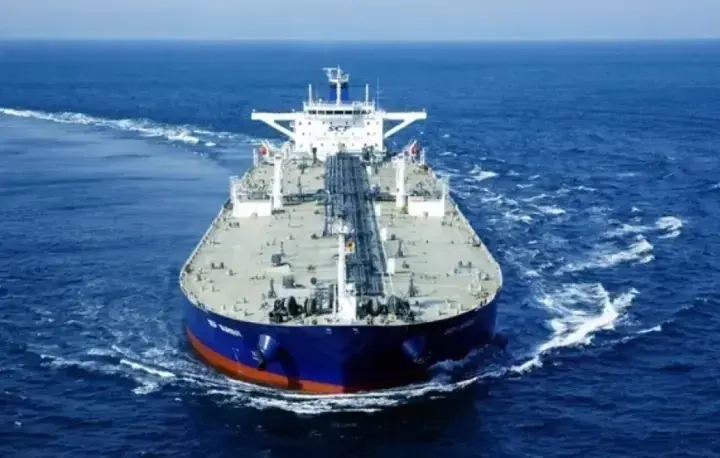
The canal closure follows a Ukrainian attack on 13 Russian vessels in the Sea of Azov on Friday, including 10 tankers. The strikes form part of a wider campaign that has recently targeted Russian oil refineries and energy infrastructure. Ukraine has also reported striking 43 units of Russia’s so called shadow fleet within a 120 hour period, according to Robert Brovdi, commander of Ukraine’s Unmanned Systems Forces.
The disruption to shipping lanes used for grain exports introduces fresh uncertainty into global agricultural markets. Both Ukraine and Russia use the Black Sea and its connected waterways to export grain, and throughout more than four years of conflict there had been no major interruptions to grain trade flows until now. Many analysts and international organisations have repeatedly warned of the risks the war poses to global food supply chains.
No local currency figures for the value of affected wheat shipments were provided.
[…] STRAIT) – Russia has suspended commercial shipping through the Kerch Strait and the Don-Azov channel, effectively severing a […]