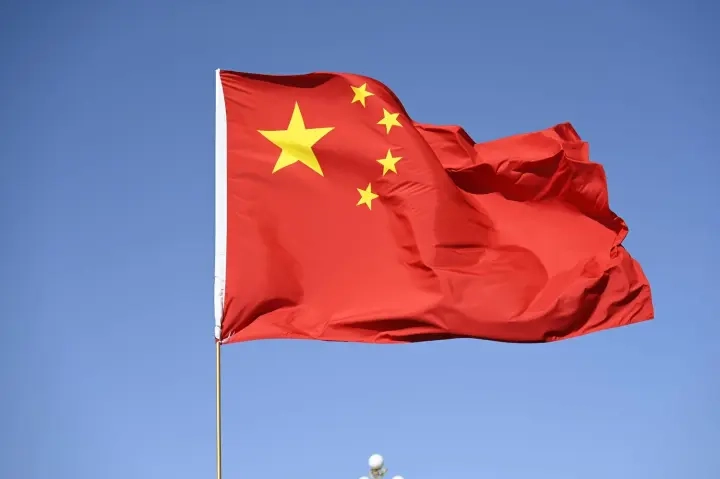
(KYIV, UKRAINE) – China has no immediate interest in seeing an end to the war in Ukraine, viewing the prolonged conflict as a tool to weaken Western powers while tightening its own grip on Moscow. This assessment, provided by an international expert, comes amid reports of deeper military and technical cooperation between Beijing and the Kremlin, including joint work on countering satellite communication systems like Starlink.
Stanislav Zhelikhovsky, a candidate of political sciences, told Ukrainian media that the current situation serves multiple strategic purposes for China. The core benefit for Beijing, he argues, is the gradual exhaustion of both Russia and Western nations. A protracted war drains the resources and political energy of rivals, while China watches from a distance. The longer the fighting goes on, the greater the opportunity for China to later step forward as a peacemaker, a role that could boost its global standing when the moment is right.
For now, the more pressing advantage lies in Russia’s growing isolation. As Moscow faces sanctions and supply chain blockages, its dependence on China deepens across economic, technological, and political fronts. This is not an accidental byproduct of the war, but a situation Beijing is actively cultivating. The goal is to make Russia so reliant on Chinese support that it would have little choice but to back China in any future international crisis.
That future crisis, the expert notes, most likely involves Taiwan. China continues to build up its military presence around the island through regular exercises and manoeuvres. The signals of preparation are consistent. Should Beijing ever decide on a military operation, it wants Russia in a position where it feels obliged to offer help. Current military collaboration, therefore, is not just about aiding Russia today; it is an investment in a partnership Beijing may need to call upon later.
The battlefield in Ukraine also serves as a live laboratory for modern warfare. Chinese military planners are studying the conflict in great detail, analysing everything from drone tactics and electronic warfare to long range strike capabilities and naval operations. This gives the People’s Republic a chance to watch a high intensity war involving Western technology without suffering a single casualty of its own. Both Russian methods and the advanced systems supplied by Ukraine’s partners are under scrutiny, providing lessons Beijing can apply to its own defence planning.
Recent events in the Middle East have added another layer to this analysis. The operation by the United States and Israel against Iran, and the failure to achieve all political objectives despite overwhelming firepower, has been carefully noted. For China, this suggests that even the most powerful militaries face limits in modern conflict. That lesson encourages even greater investment in domestic defence capabilities.
Official statements from Beijing continue to stress a desire for peace and a firm stance against the use of nuclear weapons. Yet these words sit uneasily next to a steady expansion of China’s own nuclear arsenal and its joint military activities with Russia and Belarus. The policy contains a clear contradiction: calling for de-escalation while providing the support that sustains one of the warring parties. If the reports of new joint technological programmes are confirmed, the challenge for the international community will grow sharper.
Be First to Comment