(SEVER BAY, TAYMYR PENINSULA) – Russia has initiated commercial oil exports from a new Arctic terminal, marking the start of a project intended to bolster its crude production after years of sanctions and delays. State-controlled Rosneft began shipping oil in September via specialised ice-class tankers from its newly constructed Sever Bay terminal on the Taymyr Peninsula, according to Reuters.
The development of the Vostok Oil project comes as Moscow seeks new sources of production growth. The shale boom in the United States has allowed it to overtake Russia as the world’s largest crude oil producer. According to the U.S. Energy Information Administration, Russian oil and condensate production averaged about 9.9 million barrels per day in 2025, while the figure in the United States reached nearly 13.6 million barrels per day.
Current export volumes from the Vostok Oil project are far below its ambitious initial goal of up to 2 million barrels per day, which would represent about 2 per cent of global oil supplies. Industry sources estimate exports will average about 150,000 barrels per day this year, with most of the oil coming from Rosneft’s already operating Vankor group of fields.
Rosneft plans to increase exports to approximately 600,000 barrels per day in the second half of 2027 and to 1 million barrels per day by 2030 as new northern fields, including the Payakha field, are developed.
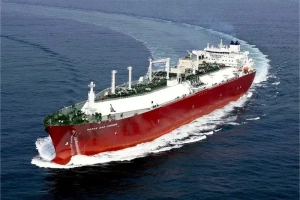
In September, Rosneft shipped about 250,000 metric tonnes of crude oil from the Sever Bay terminal onto three tankers: the Panamax Valentin Pikul, the Aframax Akademik Gubkin, which delivered its cargo to Murmansk for ship-to-ship transfers, and the Aframax Vladimir Monomakh, which headed to Asia via the Northern Sea Route. A fourth tanker is awaiting loading, according to LSEG data. The initial buyers of the oil, whose grade has not been disclosed, are currently unknown.
The project’s launch is taking place during a difficult period for Russia’s oil industry. Western sanctions imposed after 2022 prompted the withdrawal of key international investors, including Trafigura and Vitol, forcing Rosneft to rely on domestic financing and asset sales. The project itself has experienced prolonged delays.
Despite these difficulties, the Vostok Oil project remains strategically important for Moscow. In addition to providing access to vast Arctic reserves, the Sever Bay terminal offers an export route that is protected from drone attacks, to which Russian infrastructure in the Baltic and Black seas has been exposed amid the war Moscow is waging against Ukraine.
Be First to Comment