(ANKARA) – Turkey has restricted the movement of commercial vessels towards the Black Sea amid a rise in attacks on shipping in the region. The Turkish Coast Guard Command has informed several vessels heading to the Russian port of Novorossiysk, a major oil and grain export hub, that it is currently not issuing transit permits or is taking more time to review applications to pass through the Dardanelles Strait, sources told Bloomberg.
Some vessels have also been told the restriction applies to ships heading to Ukraine. The Turkish side provided no explanation for the move, and the Coast Guard Command referred questions to the Turkish Ministry of Transport and Infrastructure in Ankara. Vessel tracking data as of 1:00 p.m. local time showed ships heading to Bulgarian or Turkish ports continued moving north through the Dardanelles. The Turkish Foreign Ministry said this week that several crew members, including Turkish citizens, were injured in drone attacks on two Turkish vessels.
Separately, Ukraine has reached an agreement not to strike certain non-Russian tankers and infrastructure vital to the export of Kazakh oil through the Black Sea, Bloomberg reports, citing a U.S. official familiar with the deal. The agreement was reached following talks between U.S. President Donald Trump’s administration and the Ukrainian leadership.
It focuses on ensuring the safety of commercial shipping and continuing Kazakh oil exports through the Caspian Pipeline Consortium (CPC) terminal in Novorossiysk, Russia. Ukraine has undertaken not to attack CPC infrastructure or non-Russian vessels heading to the terminal, provided they are not under Ukrainian sanctions, are not carrying Russian cargo, and are not owned by Russian individuals or legal entities. The Ukrainian side is providing vessel operators with instructions to help determine which vessels are not at risk.
The CPC terminal is critically important for Kazakhstan, which lacks sufficient alternative export routes. Around 2 percent of global oil supplies pass through the CPC system, and European oil refiners depend heavily on supplies from this region. Attacks near Novorossiysk have already created problems for international carriers, with some shipowners refusing to call at the terminal. Oil loading through the CPC was suspended repeatedly following a series of strikes, and even after operations resumed, volumes remained below normal.
Exports of CPC Blend may fall by approximately one third this month, according to sources, though some July cargoes were postponed until August. Tanker earnings for transporting CPC oil to the Mediterranean reached more than $400,000 (approximately £316,000 or €369,000) per day, a record for this route. It remains unclear whether the new agreement will be sufficient to fully restore normal export volumes. Previous agreements on protecting commercial shipping did not always guarantee safety, and some vessels whose details had been provided in advance were nevertheless attacked.
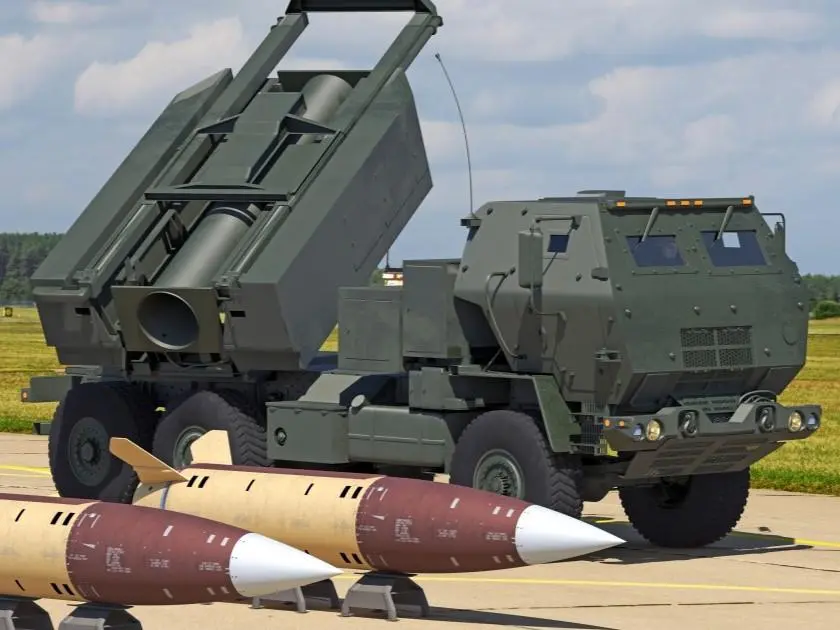
In a separate development, Ukraine has purchased U.S. origin weapons from Turkey, according to U.S. State Department documents published in the official record of the U.S. Congress proceedings on 6 August. Kyiv purchased 70 M39 ATACMS missiles, 12 M270 MLRS launchers, 2,524 M26 rockets with cluster warheads, and 47,000 203 mm cluster artillery shells. The transfer is planned to begin after a 15 day congressional review period that started on 3 August.
If the House of Representatives and the Senate do not adopt a joint resolution opposing the agreement, U.S. authorisation for the re-export will automatically take effect. Deliveries will be carried out through Turkish, Bulgarian, and U.S. defence and logistics companies. The State Department said Turkey wants to dispose of outdated munitions to fund army modernisation, while Ukraine plans to use the weapons to strengthen its offensive and defensive capabilities in the war against Russia.
Meanwhile, Ukraine and the United States have agreed on the regular monthly supply of interceptor missiles for Patriot air defence systems. President Volodymyr Zelenskyy announced the agreement during a joint press conference with Serbian President Aleksandar Vučić. Zelenskyy said the United States currently has the greatest capacity to help Ukraine with missiles for Patriot systems but emphasised that even with regular deliveries, the available number is insufficient to fully protect Ukraine from Russian attacks. He stated there are fewer missiles available in 2026 than there were globally last year.
Be First to Comment